
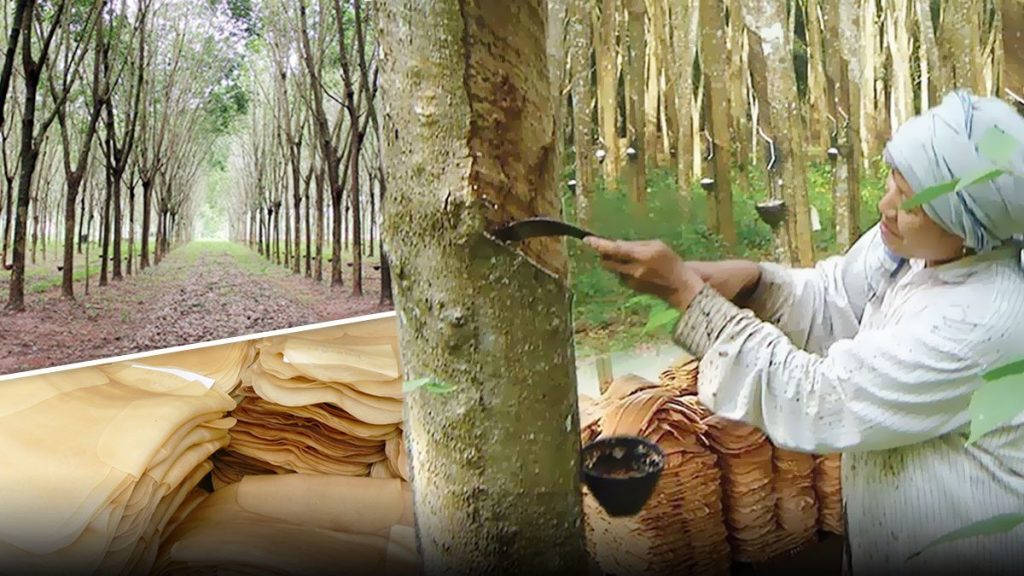
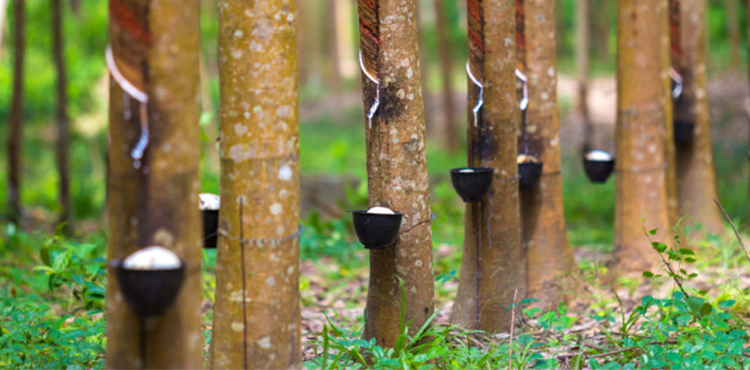
Thailand is one of the largest producers and exporters of natural rubber in the world, making rubber a strategic agricultural commodity with significant economic and social importance. Natural rubber and latex are essential raw materials used across a wide range of industries, including automotive, healthcare, construction, and manufacturing.
The rubber sector plays a vital role in supporting millions of farmers and rural households, contributing substantially to national income and export earnings. However, the industry also faces challenges related to price volatility, productivity, environmental sustainability, and the need for value-added development.
Advancing Rubber Innovation through Science and Technology
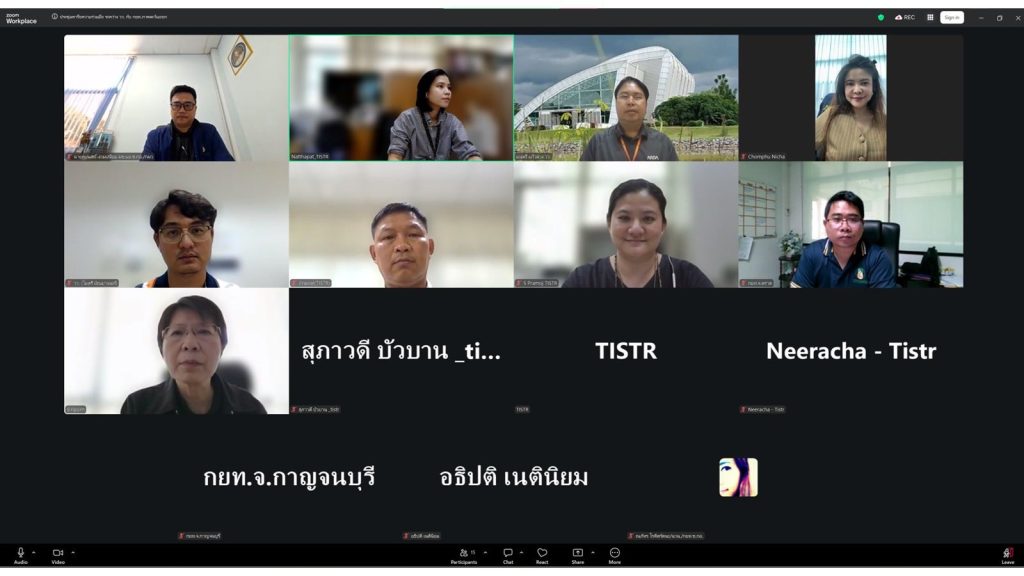
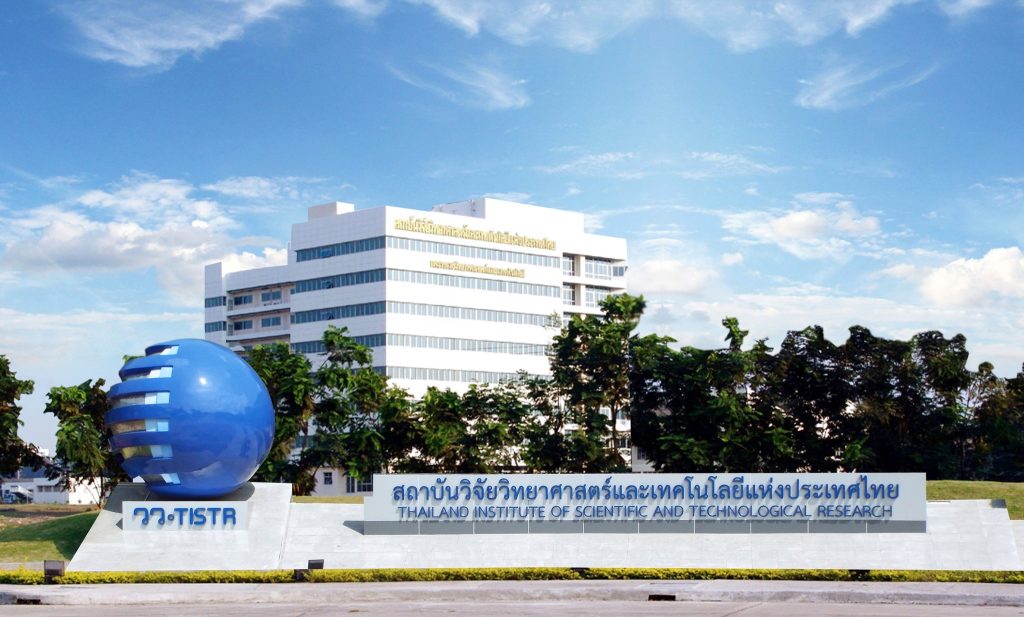
In response, the Thailand Institute of Scientific and Technological Research (TISTR), in collaboration with the Rubber Authority of Thailand (RAOT), is working to enhance the competitiveness and sustainability of the rubber sector through the application of Science, Technology, and Innovation (STI).
Key areas of collaboration include:
- Improving rubber quality and processing standards to meet international requirements
- Developing value-added rubber and latex-based products
- Supporting innovation-driven product diversification
- Promoting sustainable and environmentally responsible production practices

Enhancing Farmer Livelihoods and Local Economies
A central focus of this initiative is to strengthen the resilience of rubber farmers by:
- Facilitating technology transfer and knowledge application
- Supporting income diversification and value creation
- Encouraging entrepreneurship within rubber-producing communities
By moving beyond raw material production toward innovation and product development, Thailand can increase the value of its rubber industry while improving the livelihoods of its people.
Towards a Sustainable Rubber Industry
Through strategic collaboration and innovation, TISTR aims to transform Thailand’s rubber sector into a high-value, sustainable industry, aligned with global market trends and the Sustainable Development Goals (SDGs).
Views: 47
