

In response to increasing environmental and socio-economic challenges, particularly PM 2.5 pollution and climate variability, the Thailand Institute of Scientific and Technological Research (TISTR) is advancing the application of Science, Technology, and Innovation (STI) to deliver practical, area-based solutions that enhance environmental quality and improve community livelihoods.
As part of its 5-year strategic framework (2026–2030), TISTR places strong emphasis on area-based network development for sustainable quality of life improvement, recognizing that localized innovation is key to achieving long-term sustainability.
Science-Based Solutions for Environmental Challenges
TISTR is actively addressing PM 2.5 issues, particularly in Northern Thailand, through integrated research and innovation initiatives supported by the National Research Council of Thailand (NRCT). These efforts focus on both prevention and mitigation, including:
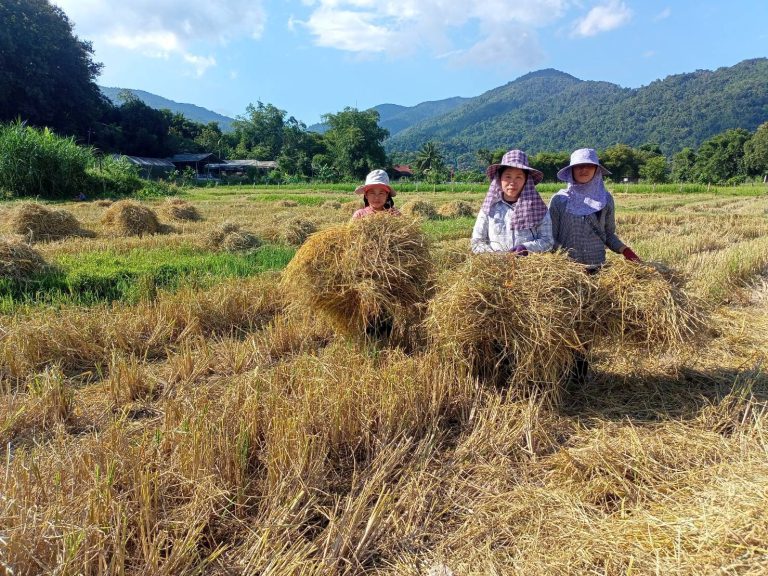
- Development of land-use policy models to reduce open burning in Chiang Mai, Nan, and Phrae provinces
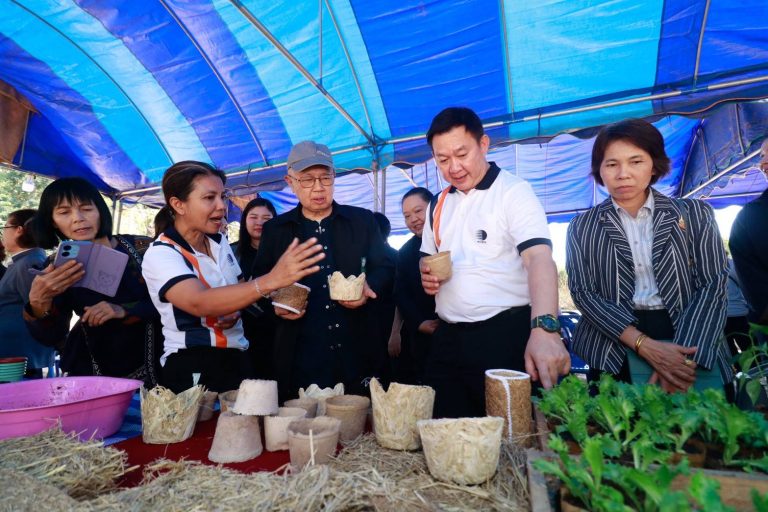
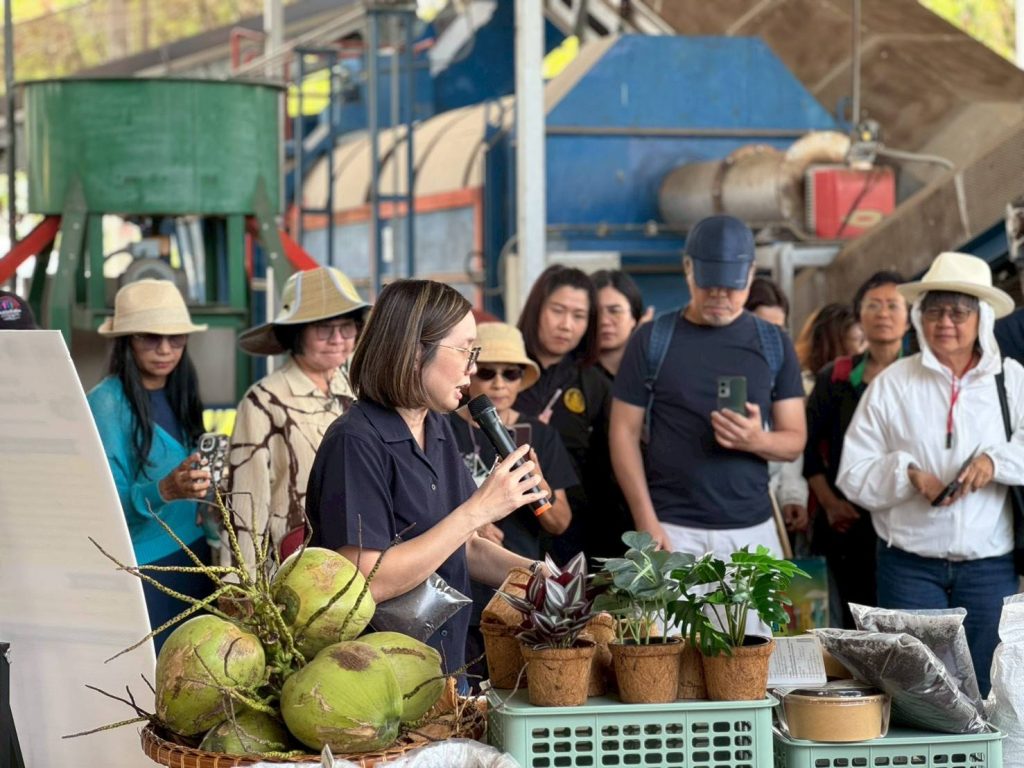
- Transformation of agricultural residues into high-value, environmentally friendly products, providing alternatives to biomass burning
- Integrated environmental management approaches to restore ecosystem balance and reduce emissions from multiple sources
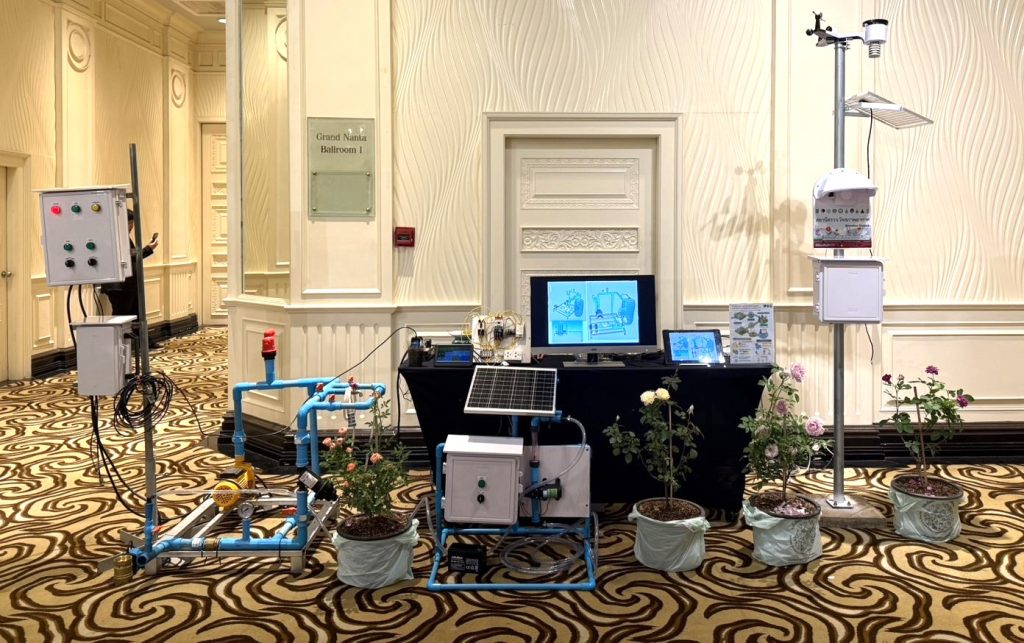
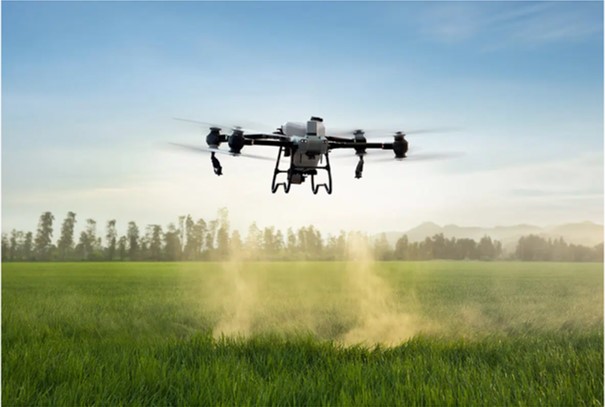
In parallel, TISTR promotes Precision Agriculture through the application of digital technologies and unmanned aerial systems (UAS), enabling farmers to optimize resource use, reduce environmental impact, and enhance productivity in a sustainable manner.
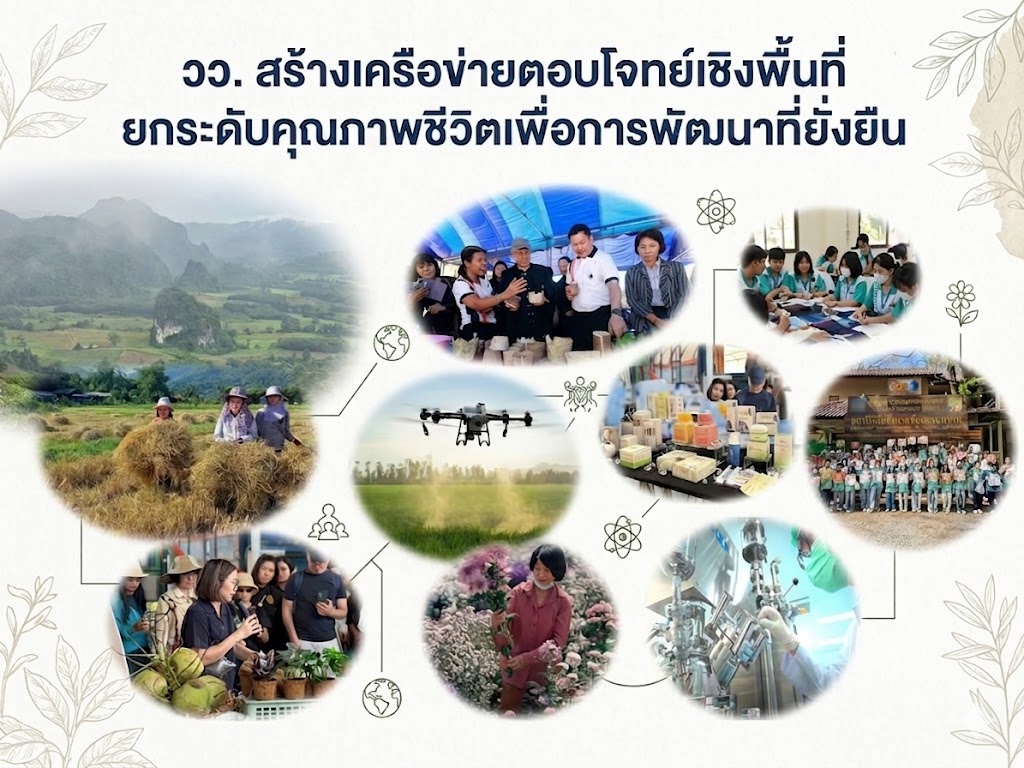
Strengthening Communities through Upskilling and Innovation
TISTR is committed to empowering communities, farmers, and entrepreneurs through upskill and reskill initiatives, ensuring that innovation translates into tangible socio-economic benefits.
Key activities include:
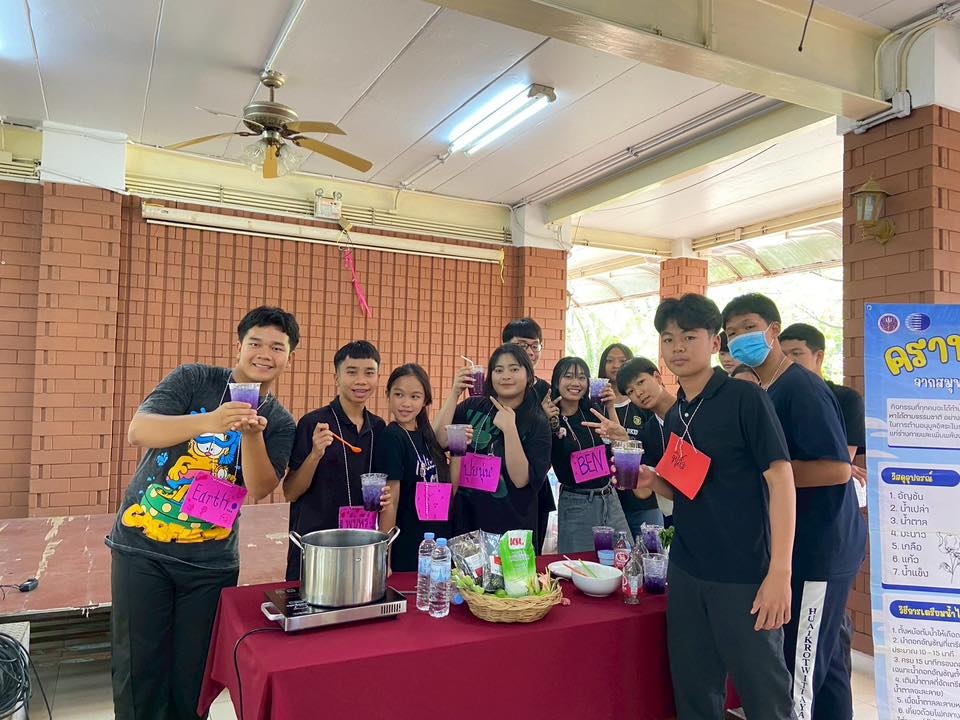
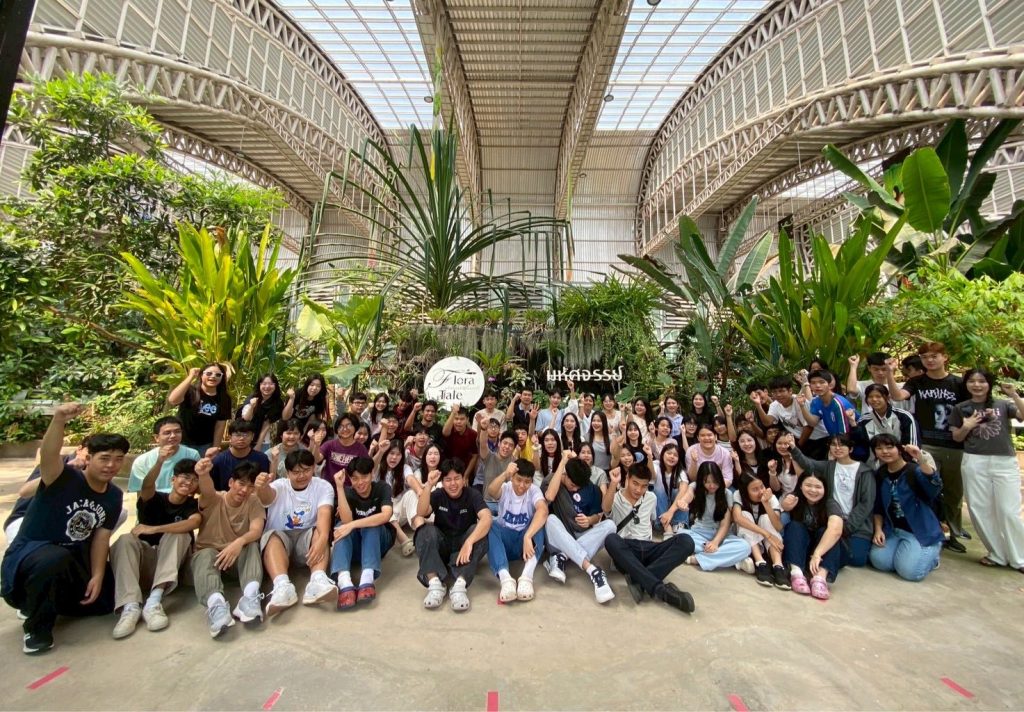
- Capacity building programs for farmers, students, and local communities through TISTR research stations
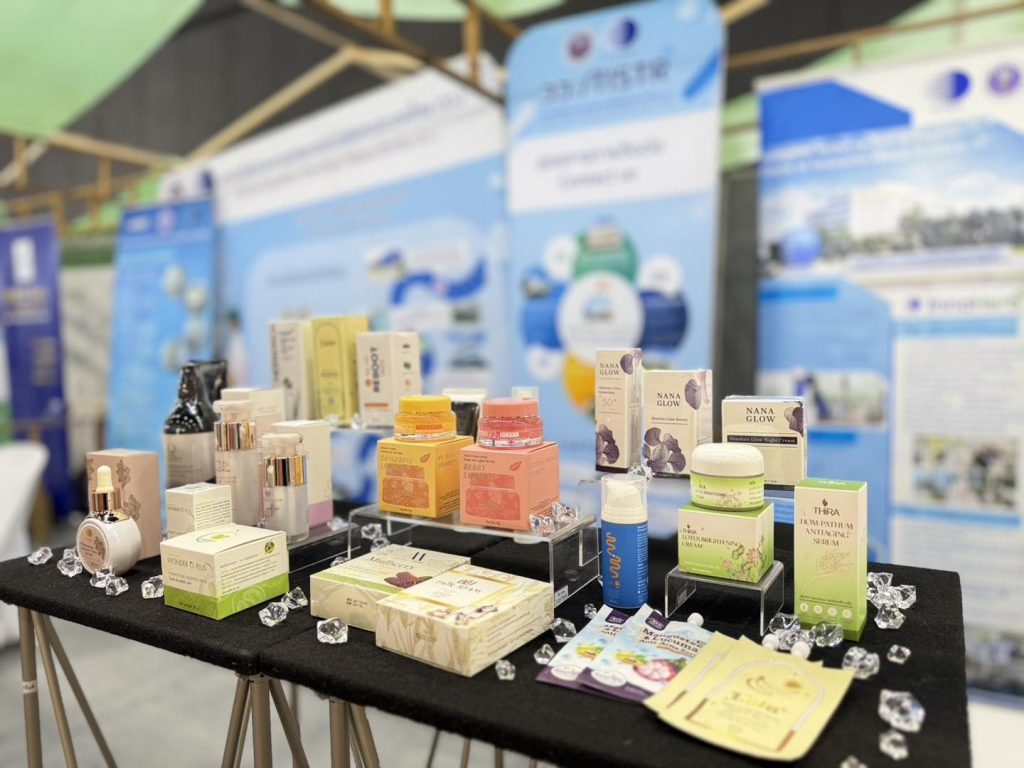
- Support for SMEs to upgrade products and processes to meet international standards, including Halal certification
- Technology transfer and value-added development for agricultural products, benefiting over 1,300 community members and contributing to 45 upgraded products
Through these initiatives, TISTR helps generate new income opportunities, strengthen local economies, and enhance resilience at the community level.

Building Collaborative Networks for Sustainable Impact
TISTR works in close collaboration with government agencies, industry partners, and local communities to develop and implement solutions tailored to specific regional needs. This network-based approach ensures that research outcomes are effectively translated into real-world applications.
A key focus is the integration of two strategic pillars:
- “Science to Combat Challenges” – delivering innovations to address environmental risks
- “Grassroots Innovation for Development” – bringing technology and knowledge directly to communities

From Research to Sustainable Development
By bridging research, innovation, and implementation, TISTR plays a critical role in supporting Thailand’s transition toward a sustainable and inclusive economy, aligned with the United Nations Sustainable Development Goals (SDGs).
TISTR remains committed to delivering impactful solutions that protect the environment, strengthen communities, and drive national development through science and innovation.
For further information, please contact:
TISTR Call Center: +66 2 577 9000
TISTR JUMP Service Platform


Views: 11
